

Dental Articulator Korean Jaw Articulator for Dental Study and Practice, featuring a 3-Adjustable Jaw Mounting System with 2 Separate Articulating Joints and Adjustable Upper/Lower Casts for Precise Dental Modelling


Dental Articulator Korean Jaw Articulator for Dental Study and Practice, featuring a 3-Adjustable Jaw Mounting System with 2 Separate Articulating Joints and Adjustable Upper/Lower Casts for Precise Dental Modelling
Korean Dental Articulator for Study and Practice with 3-Adjustable Jaw Mounting System

This dental articulator offers a practical, hands-on tool designed for dental students and practitioners focusing on the mechanics of occlusion and jaw articulation. Based on a Korean design style, the device provides an anatomical framework to mount study models and observe the simulated movement of the mandible. It is intended for educational environments, professional development, and the practical modelling of dental work such as crowns and bridges. The articulator's key functional components are its adjustable mounting system and dual articulating joints, which allow for a customisable and observable representation of bite dynamics without the need for complex laboratory equipment.
Features and Construction
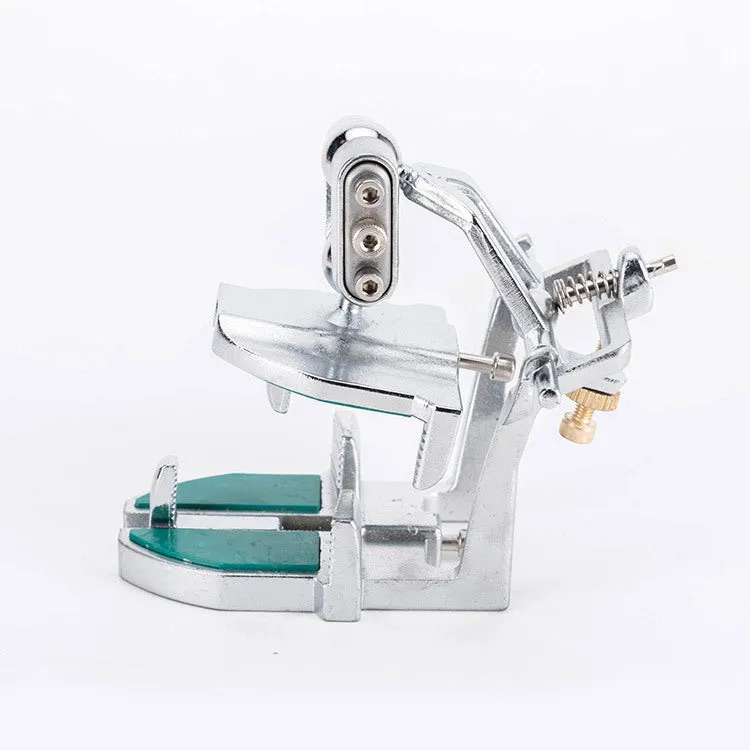
The articulator is built around a specific set of adjustable features intended to replicate key aspects of jaw function for study purposes. Its design prioritises the observation and adjustment of occlusal relationships between upper and lower dental casts.
Material and Build
The source text does not specify the materials used in the construction of this articulator. The device's functionality is derived from its mechanical design, which includes multiple adjustment points and articulated joints. The build is centred on providing a stable yet movable platform for securing dental models, allowing the user to focus on the positional relationships rather than the material properties of the tool itself.
Size and Practical Fit
While exact dimensions are not provided, the articulator is designed to accommodate standard dental study models on its adjustable upper and lower cast holders. The 3-adjustable mounting system allows the user to alter the position and orientation of the jaw casts to achieve a desired alignment, supporting a range of model sizes and study scenarios. The two articulating joints provide the pivot points necessary to simulate the opening, closing, and lateral movements of the mandible.
Uses and Placement

This tool serves a clear role in both formal education and ongoing professional practice within dentistry. Its adjustable nature makes it suitable for a variety of training and demonstration contexts.
Event or Professional Use
In professional settings, this articulator can be used for planning and demonstrating crown and bridge work, allowing a practitioner to visualise occlusion before proceeding to patient treatment. It provides a tangible model for discussing treatment plans with colleagues or for use in small-scale training workshops. The adjustable features enable the simulation of specific patient bite scenarios, making it a useful demonstrative aid.
Everyday Home Use
This product is not designed for home or casual use. Its application is strictly within educational or professional dental contexts, such as dental school laboratories, training clinics, or a dentist's personal study space for model analysis. It is a specialist tool intended for skill development and procedural planning.
Benefits and Buying Value
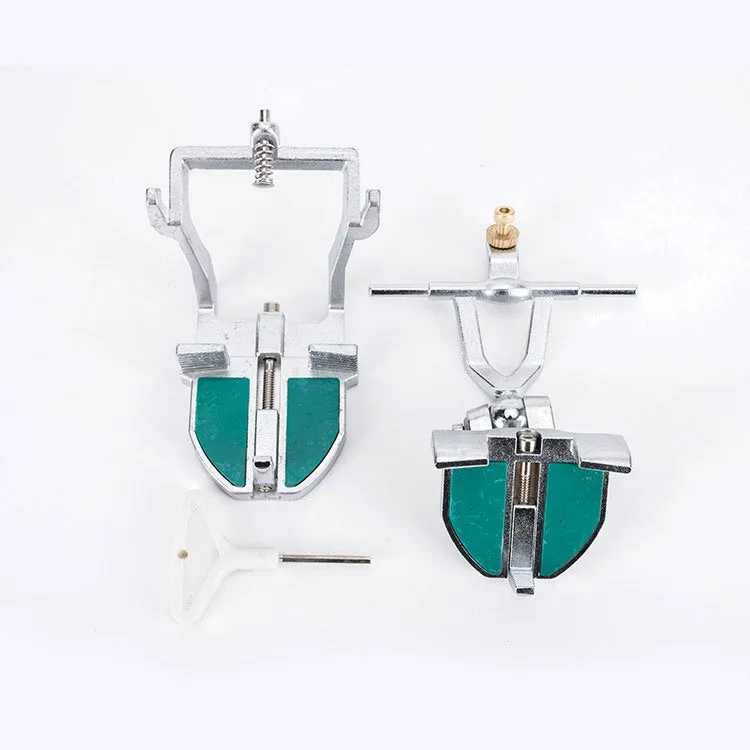
The value of this dental articulator lies in its focused functionality as a teaching and planning aid. It offers a dedicated platform for understanding a fundamental aspect of dentistry.
Reuse and Low Maintenance
As a mechanical study tool, the articulator is designed for repeated use with different study models. Its simple, adjustment-based operation suggests minimal maintenance is required beyond keeping the joints and mounting screws clean and free from debris. The lack of complex electronics or consumable parts contributes to its potential for long-term use in a teaching environment.
Why Choose This Product
This Korean-style articulator may be chosen for its specific design approach to simulating jaw movement, which could differ from other articulator systems. The key differentiator mentioned is the combination of a 3-adjustable mounting system with 2 separate articulating joints, which provides multiple points of control for precise model positioning. For educators or practitioners seeking a hands-on, mechanical tool for occlusion study, this offers a practical and focused solution.
