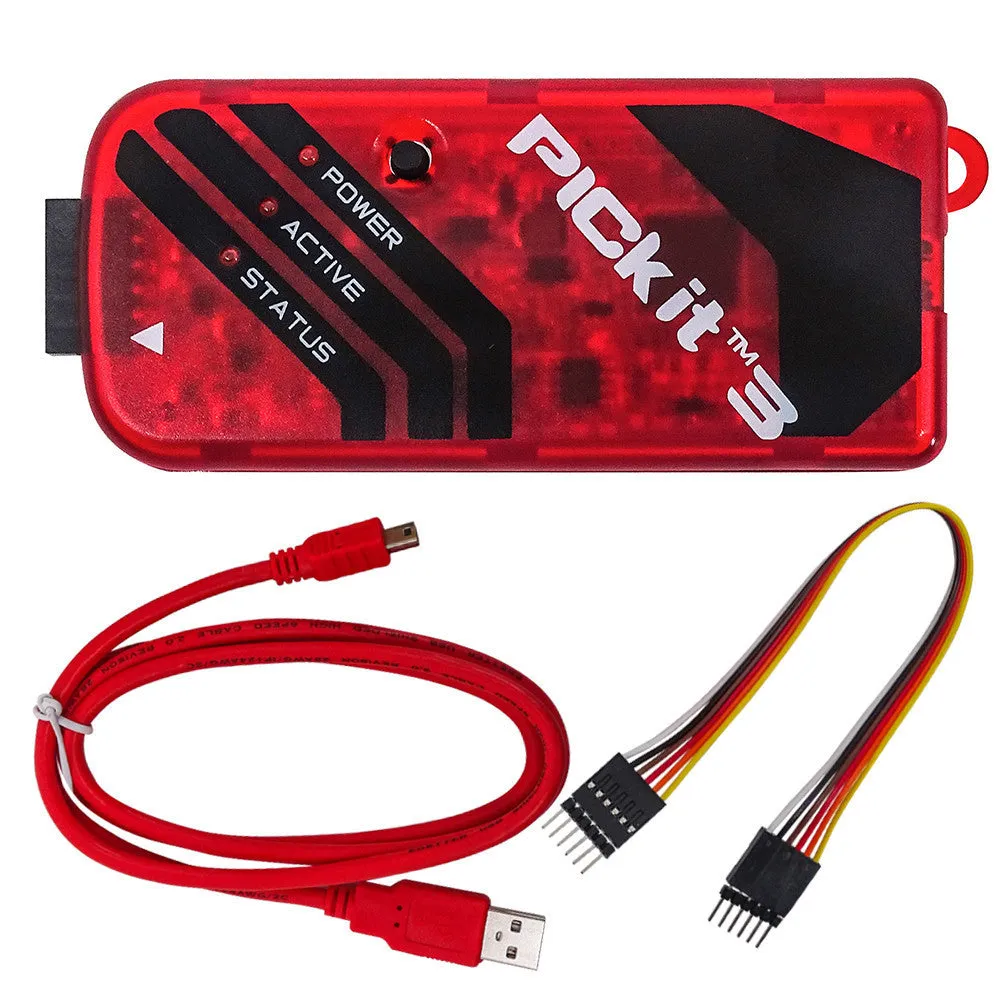
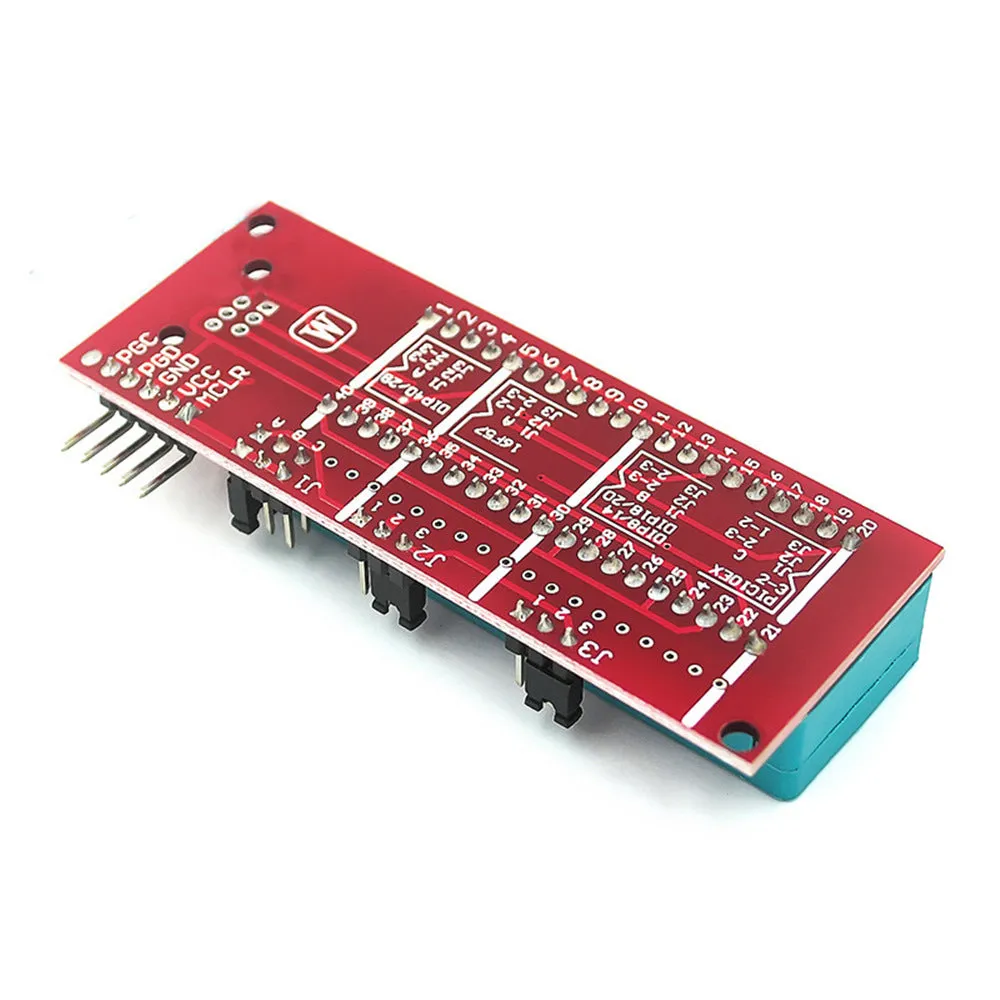
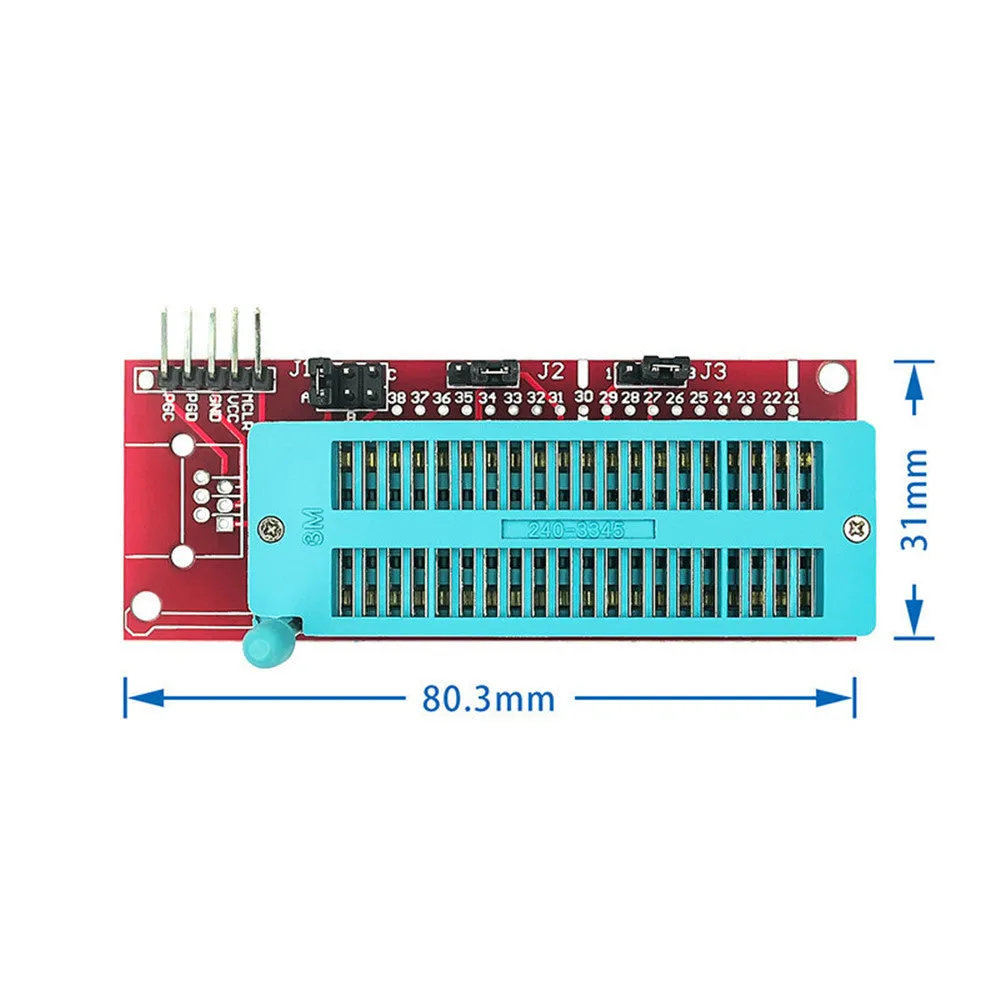
ICD2-compatible PIC microcontroller programmer burner with KIT3 and KIT3.5 burning sockets for offline simulation and standalone development, supplied with programmer and cables as shown.


ICD2-compatible PIC microcontroller programmer burner with KIT3 and KIT3.5 burning sockets for offline simulation and standalone development, supplied with programmer and cables as shown.
ICD2-Compatible PIC Programmer Burner with KIT3 and KIT3.5 Sockets for Offline Development
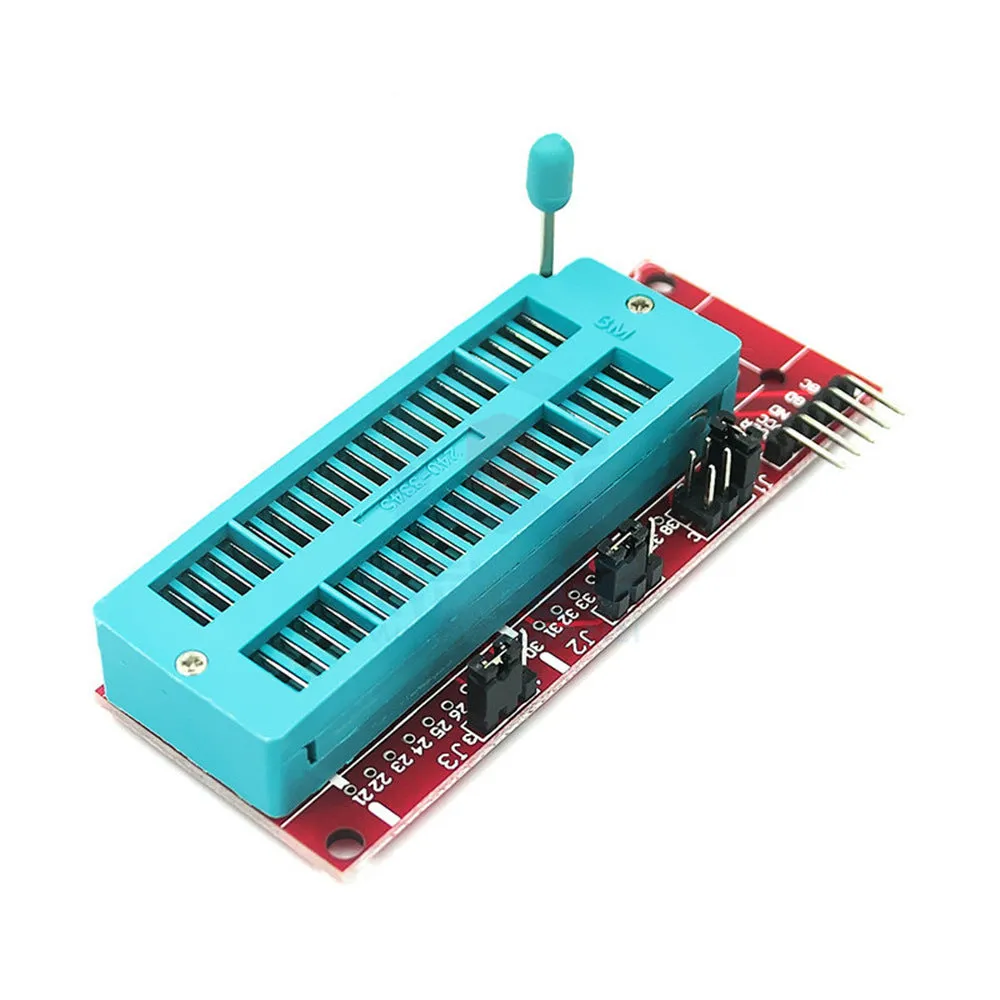
This programmer burner provides a dedicated hardware tool for developers working with Microchip PIC microcontrollers. Its core function is to enable offline simulation and in-circuit programming, creating a standalone development setup that operates independently from a personal computer. The device is specified as compatible with the ICD2 interface, a common standard for Microchip development tools, and is built to include specific burning sockets. This makes it a practical solution for engineers and hobbyists who require a reliable method to program and debug PIC chips directly on their target boards, streamlining the iteration process during project development.
Features and Construction
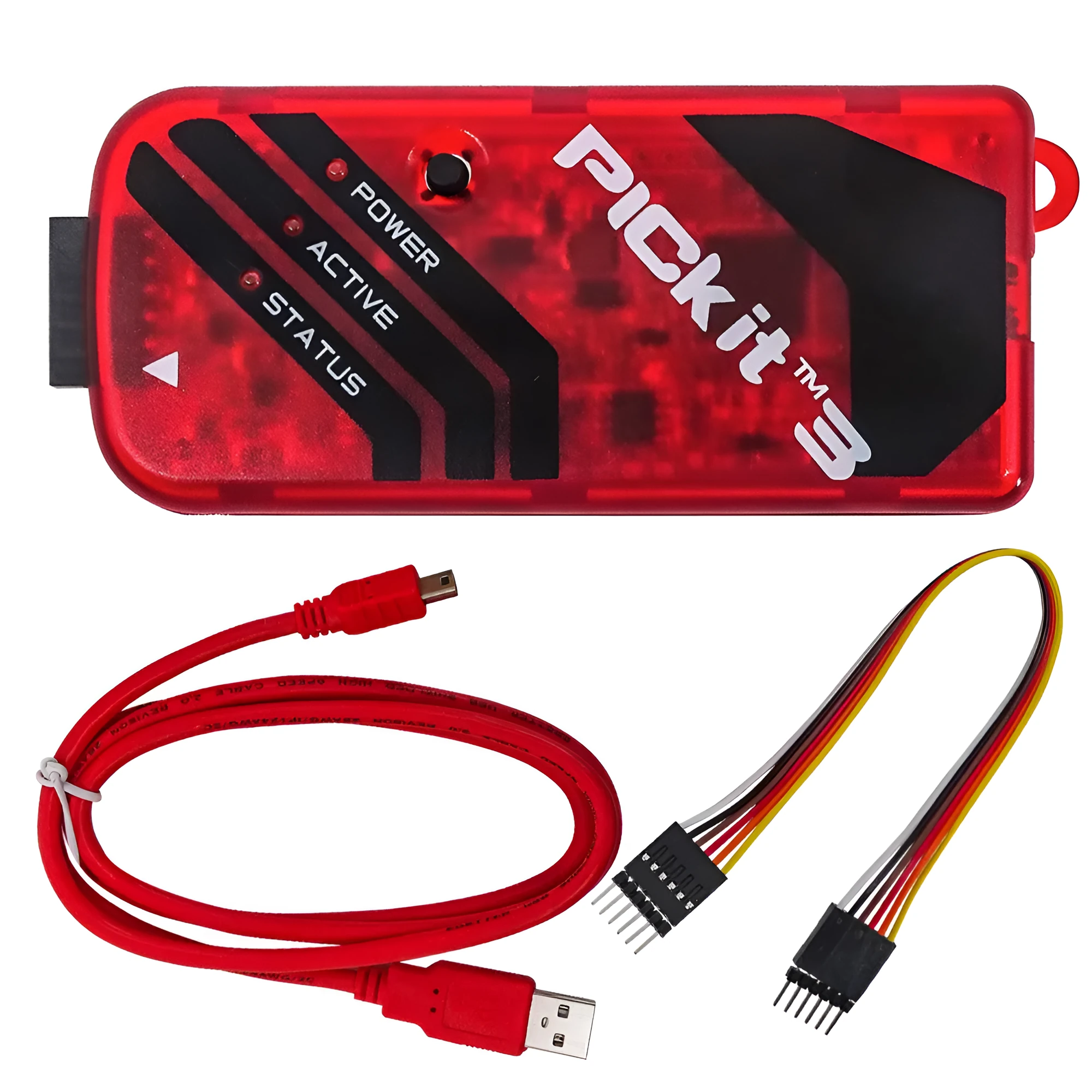
The unit integrates key functionalities required for microcontroller development into a single package. Its construction is centred around the provided interfaces and supported specifications.
Material and Build
The programmer is constructed from standard electronic components housed within a typical casing for such devices. It includes the necessary internal circuitry to communicate with PIC microcontrollers via the listed interfaces. The supplied connection cables are built with standard insulation and connector types to ensure a secure link between the programmer and the target development board.
Size and Practical Fit
The source text provides the electrical specification of power listed as 'W'. No further physical dimensions for the unit's length, width, or height are supplied. Users can expect a form factor suitable for a bench-top programming tool. The inclusion of multiple burning sockets suggests a design intended to accommodate different chip packages or adapter types without requiring separate external modules.
Uses and Placement
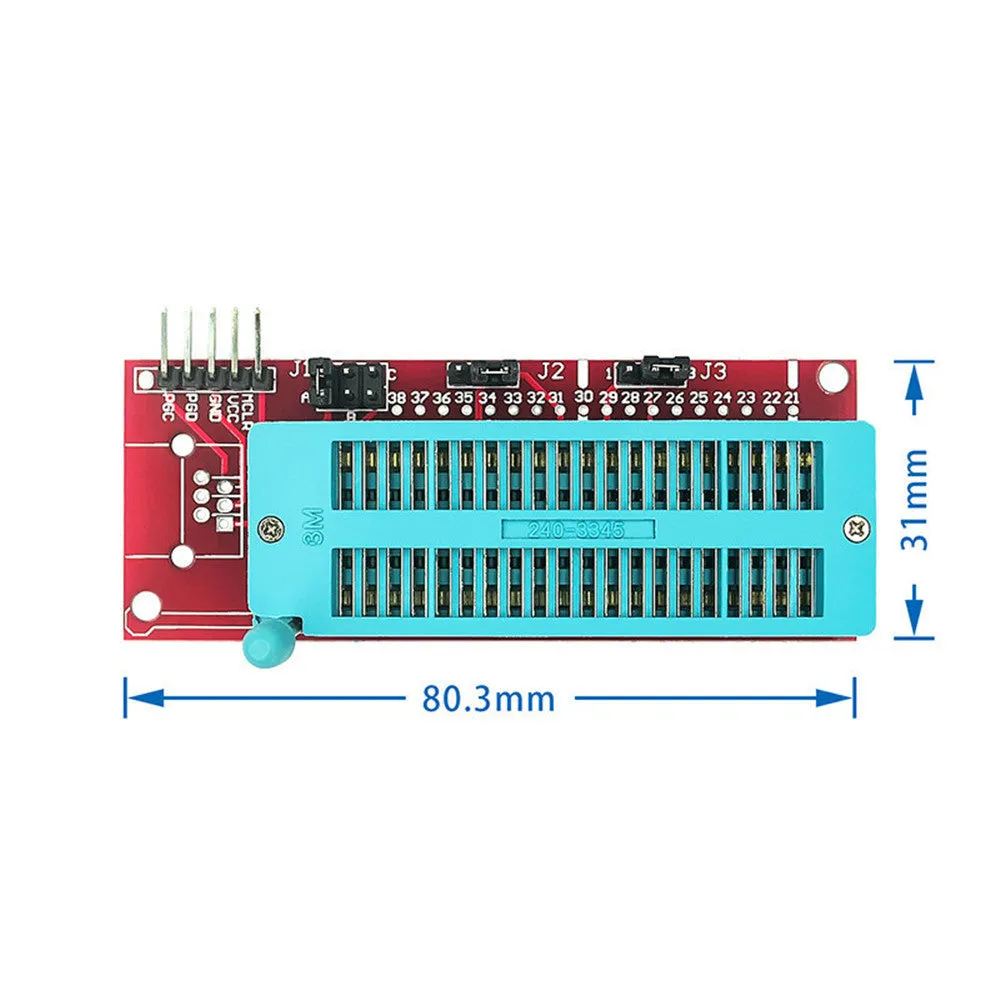
This tool is designed for a specific technical workflow within electronics development and is suited for both professional and educational environments.
Event or Professional Use
In a professional engineering setting or on a manufacturing floor, this offline programmer allows for quick firmware updates or production programming of PIC-based devices without tying up a computer workstation. Its ICD2 compatibility means it can slot into existing development and testing procedures that use this standard, providing a known and reliable method for in-circuit debugging.
Everyday Home Use
For electronics students, makers, and hobbyists, this unit offers a dedicated tool for PIC-based projects. It supports the development cycle from writing code to burning it onto the microcontroller, all without needing complex software setups running on a PC for the final programming step. This can simplify the learning process and provide a more hands-on hardware experience.
Benefits and Buying Value
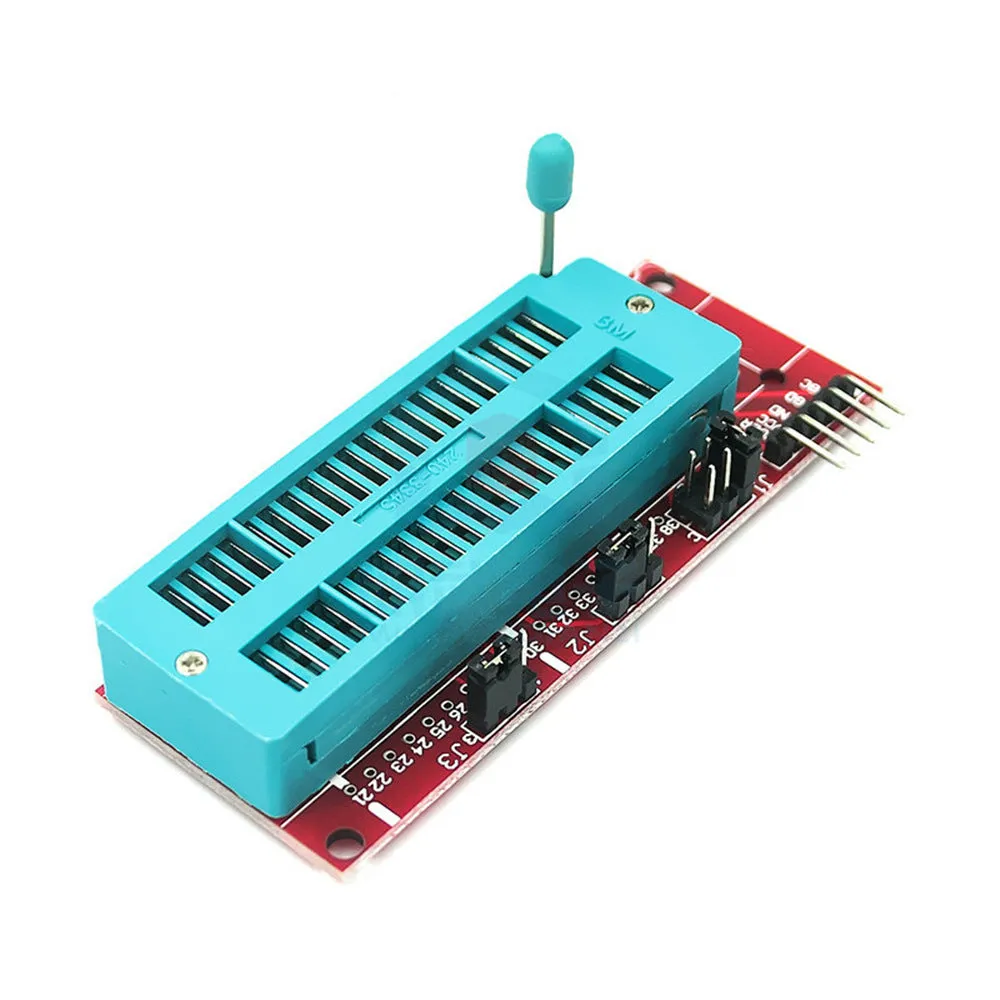
The value of this programmer lies in its specific compatibility and the practical consolidation of functions for PIC development.
Reuse and Low Maintenance
As a hardware tool, its primary value comes from repeated use across multiple projects and over time. There are no consumable parts mentioned, suggesting a design for longevity through standard electronic component lifespans. Maintenance would typically involve careful handling and storage of the unit and its cables to prevent physical damage to ports and connectors.
Why Choose This Product
This product is a suitable choice for anyone requiring an ICD2-compatible programmer that supports both KIT3 and KIT3.5 socket standards in one device. It removes the need for separate programming modules for different chip families or package types covered by these sockets. Its focus on offline operation provides a clear, dedicated development path separate from PC-based tools.