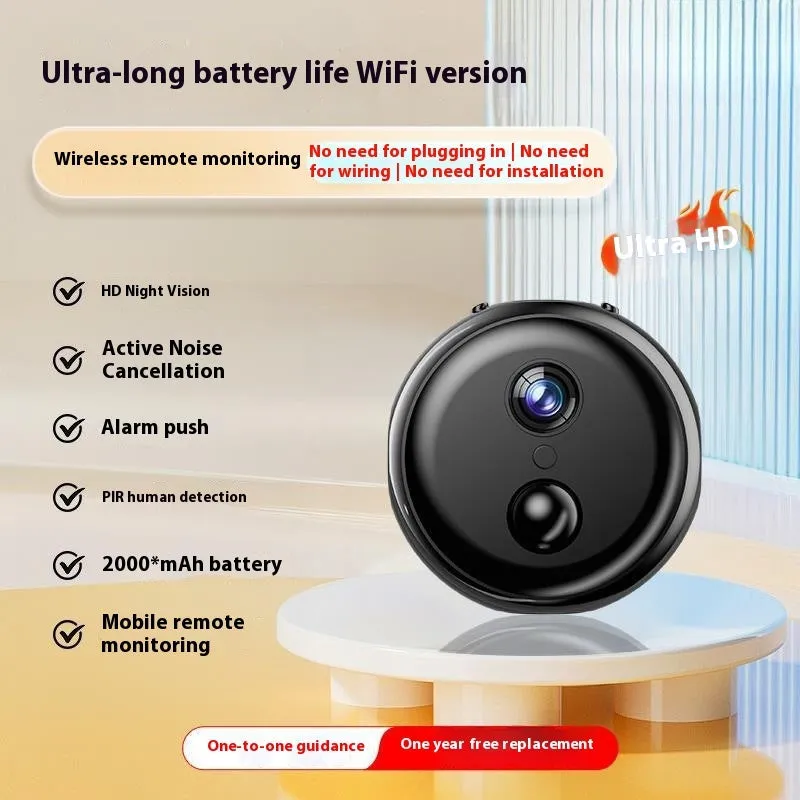
Wireless security camera with HD night vision offering 360-degree panoramic coverage and plug-free operation for remote WiFi monitoring, available in 15-day or 30-day loop recording versions with options for 4G connectivity and human body sensing


Wireless security camera with HD night vision offering 360-degree panoramic coverage and plug-free operation for remote WiFi monitoring, available in 15-day or 30-day loop recording versions with options for 4G connectivity and human body sensing
Wireless 360-degree HD security camera with night vision and remote monitoring capabilities
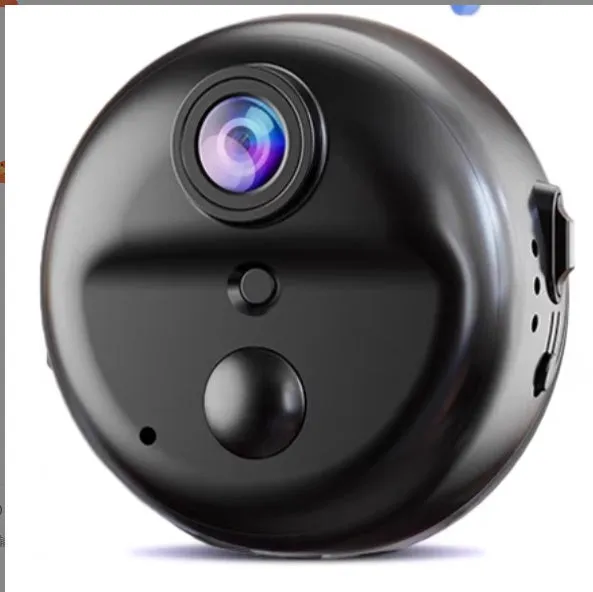
This wireless security monitoring system provides flexible surveillance solutions for both residential and commercial applications where traditional wired cameras present installation challenges. Designed to operate without direct power connections, the battery-powered units offer placement versatility in locations where electrical outlets are inaccessible or impractical. The core system combines high-definition video capture with infrared night vision technology, ensuring usable footage across various lighting conditions from daylight through complete darkness. Remote access functionality allows property owners to monitor their spaces via smartphone or computer interfaces when connected to either WiFi networks or, in specific models, cellular 4G networks that eliminate dependence on local internet infrastructure.
Features and Construction

The security monitor range presents multiple configuration options tailored to different surveillance requirements and environmental constraints. From basic circular designs to enhanced square models with additional sensors, each variant maintains the core wireless functionality that defines this product category. The manufacturing approach focuses on creating self-contained surveillance units that minimise installation complexity while delivering continuous monitoring coverage.
Material and Build
Constructed as electronic monitoring devices, these units incorporate weather-resistant housings suitable for both indoor and sheltered outdoor applications. The physical design varies between circular and square form factors across different model options, with each shape offering distinct mounting advantages. Internal components include the imaging sensor, infrared LEDs for night illumination, wireless communication modules, and rechargeable battery systems that power extended operation periods without external power sources.
Size and Practical Fit
While specific dimensional data isn't provided in the source material, the wireless nature of these monitors allows placement in locations where traditional wired cameras cannot reach. The absence of power cabling requirements means installation focuses primarily on achieving optimal viewing angles rather than proximity to electrical infrastructure. This flexibility proves particularly valuable for temporary surveillance needs, rental properties where permanent installation isn't permitted, or supplemental coverage in areas beyond existing security system reach.
Uses and Placement
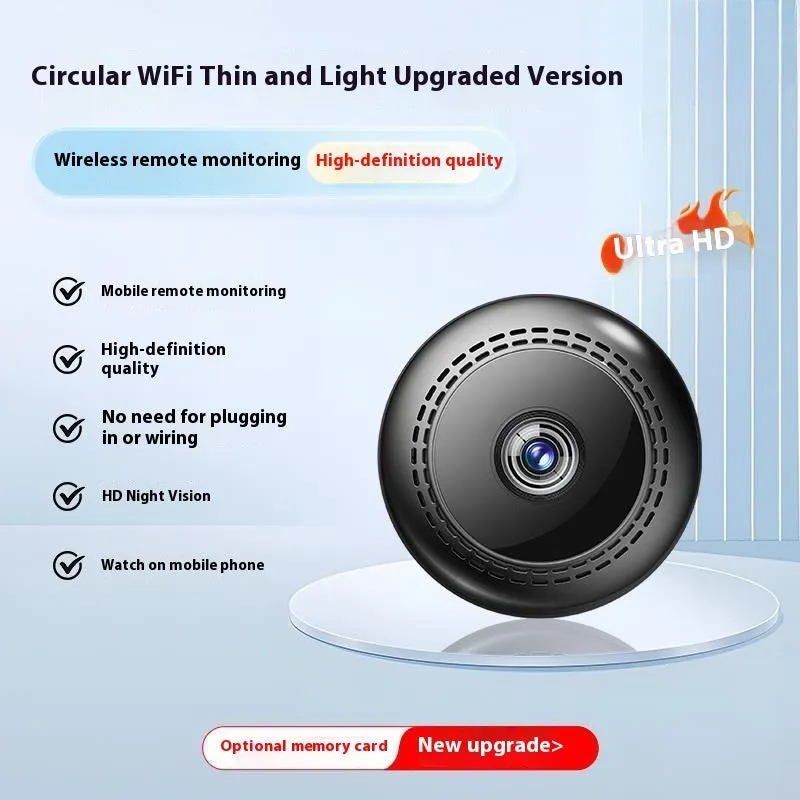
The application scope for these wireless monitors extends across both personal and professional security contexts, with particular advantages in scenarios requiring rapid deployment or temporary surveillance solutions. The combination of battery operation and wireless connectivity creates opportunities for monitoring spaces during events, construction projects, vacant properties, or supplemental home security during travel periods. Different model configurations address varying priority requirements from basic video capture to advanced features like human presence detection.
Event or Professional Use
For professional applications, the wireless design enables temporary security setups for events, construction sites, or retail environments without investing in permanent infrastructure. The 4G-enabled models provide particular value in locations lacking reliable WiFi, allowing remote monitoring from anywhere with cellular coverage. Businesses can deploy these units for inventory protection, worksite security after hours, or temporary surveillance during special events where traditional camera installation would be impractical or cost-prohibitive.
Everyday Home Use
Homeowners benefit from the plug-free operation when monitoring garages, sheds, perimeter areas, or vacation properties where electrical access proves challenging. The human body sensing feature available on select models reduces unnecessary recording by activating only when movement is detected, extending battery life while capturing relevant footage. Parents find value in temporary nursery monitoring, pet observation during work hours, or checking on elderly family members without installing permanent cameras in living spaces.
Benefits and Buying Value
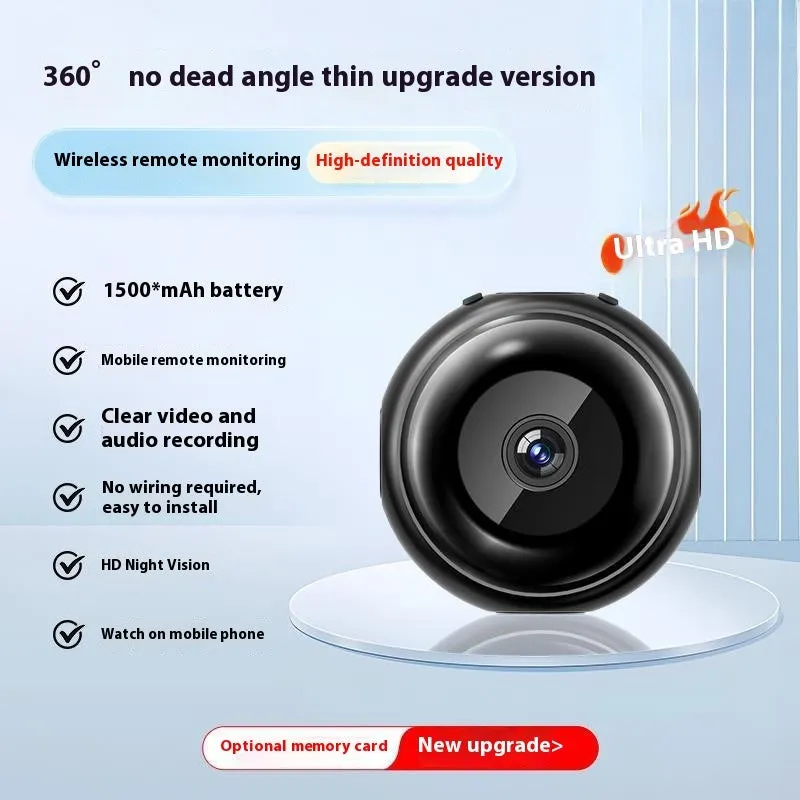
The fundamental value proposition centres on obtaining reliable surveillance capability without the complexity and permanence of wired security systems. By eliminating electrical infrastructure requirements, these monitors reduce installation time from hours to minutes while avoiding damage to walls or ceilings from cable routing. The modular approach to features allows selection based on specific needs rather than paying for unnecessary capabilities, with clear differentiation between recording duration, connectivity options, and detection features.
Reuse and Low Maintenance
The wireless design supports complete reusability and relocation as surveillance needs change over time. Homeowners can move monitors between different properties, take them during travel for temporary hotel room security, or reposition them seasonally as sunlight patterns or usage areas shift. Maintenance remains minimal beyond occasional battery recharging and lens cleaning, with no wiring degradation concerns or professional service requirements common to hardwired systems.
Why Choose This Product
Selection should focus on matching specific model features to individual surveillance requirements. The 15-day recording models suit intermittent monitoring needs, while 30-day versions provide extended coverage for longer absences. WiFi models offer cost efficiency where reliable networks exist, whereas 4G versions ensure operation in remote locations or network-challenged environments. The 360-degree panoramic coverage distinguishes these units from fixed-angle cameras by eliminating the need for multiple devices to monitor a single area comprehensively.