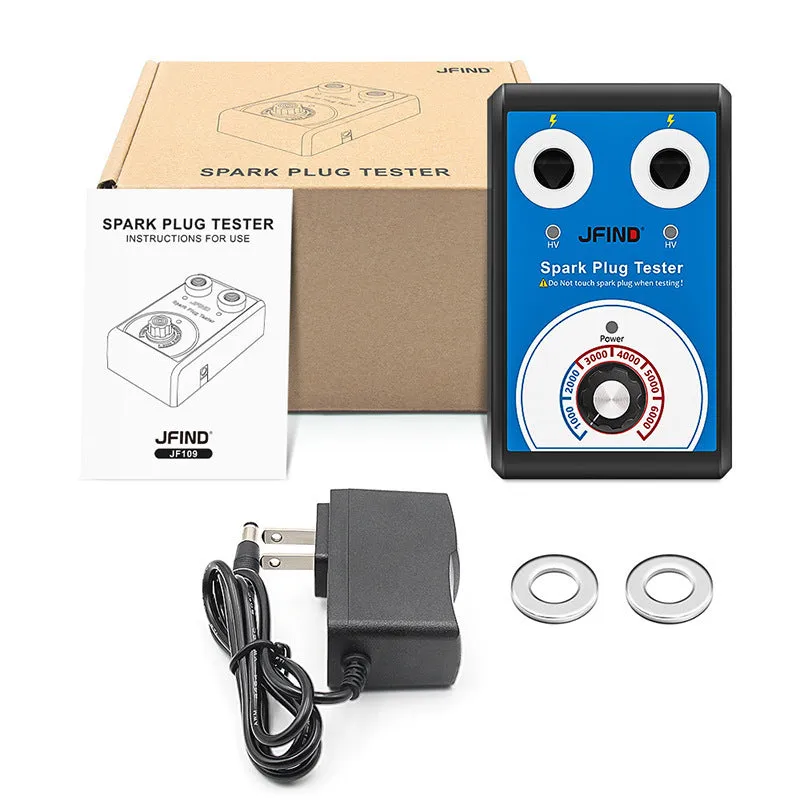
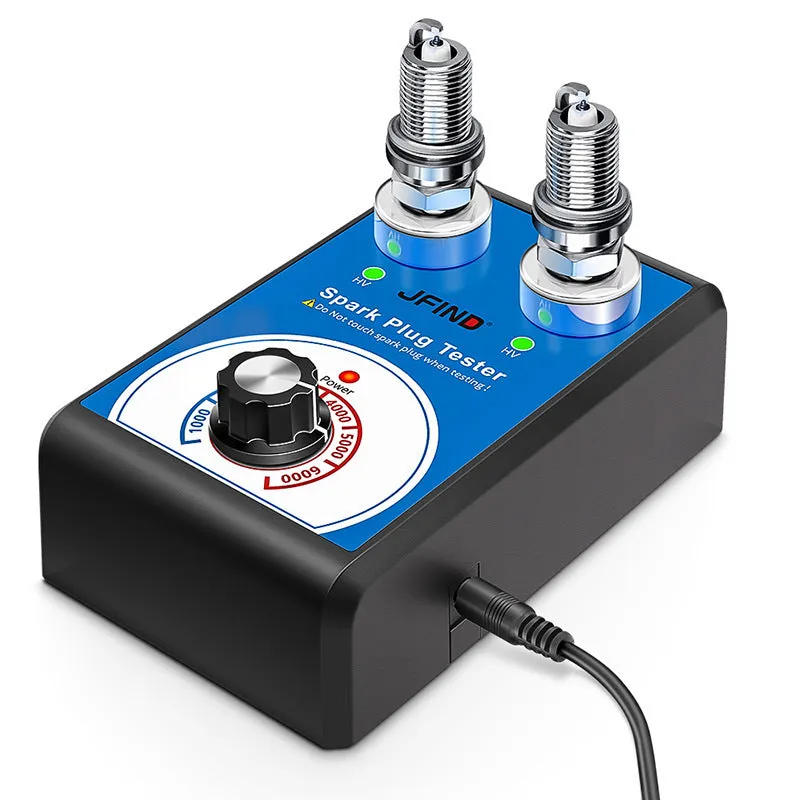
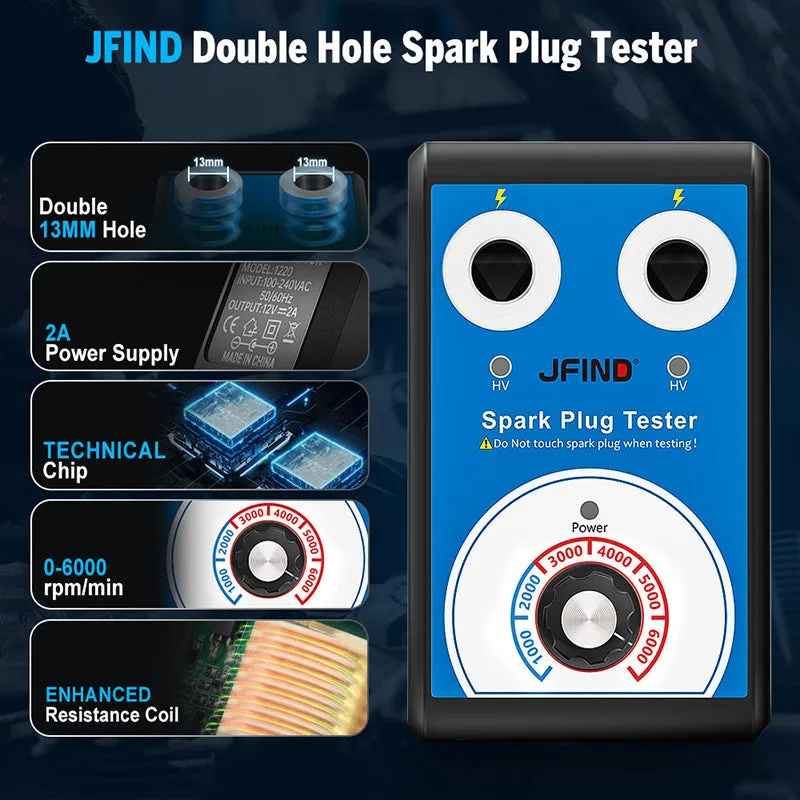
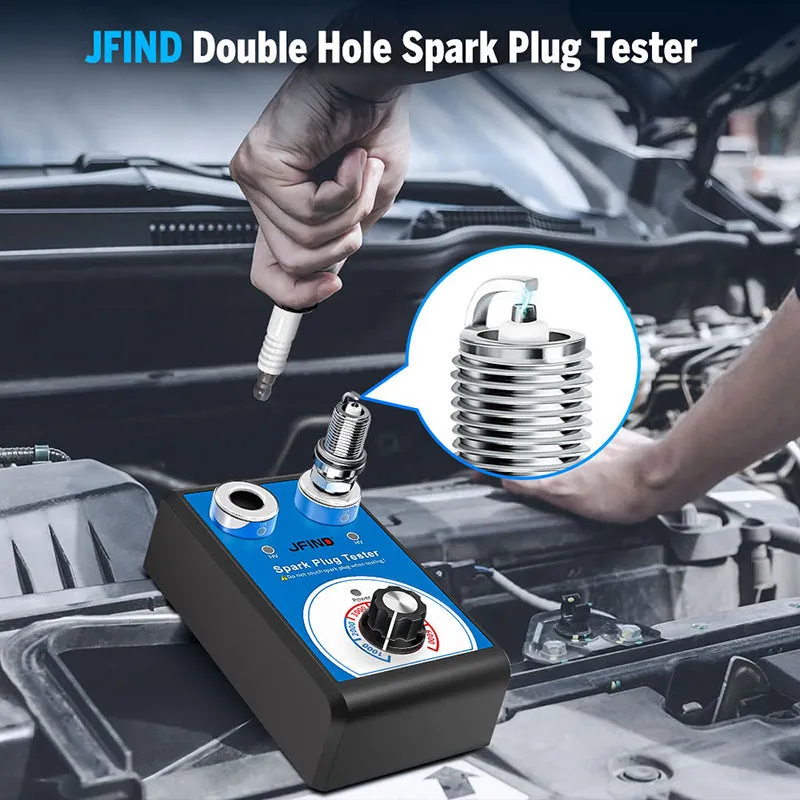
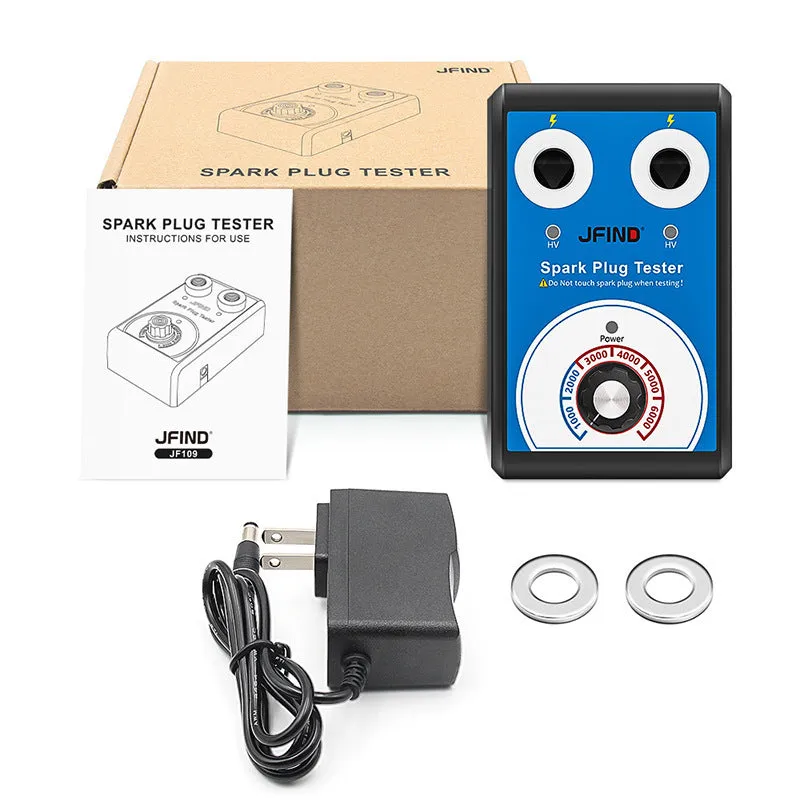
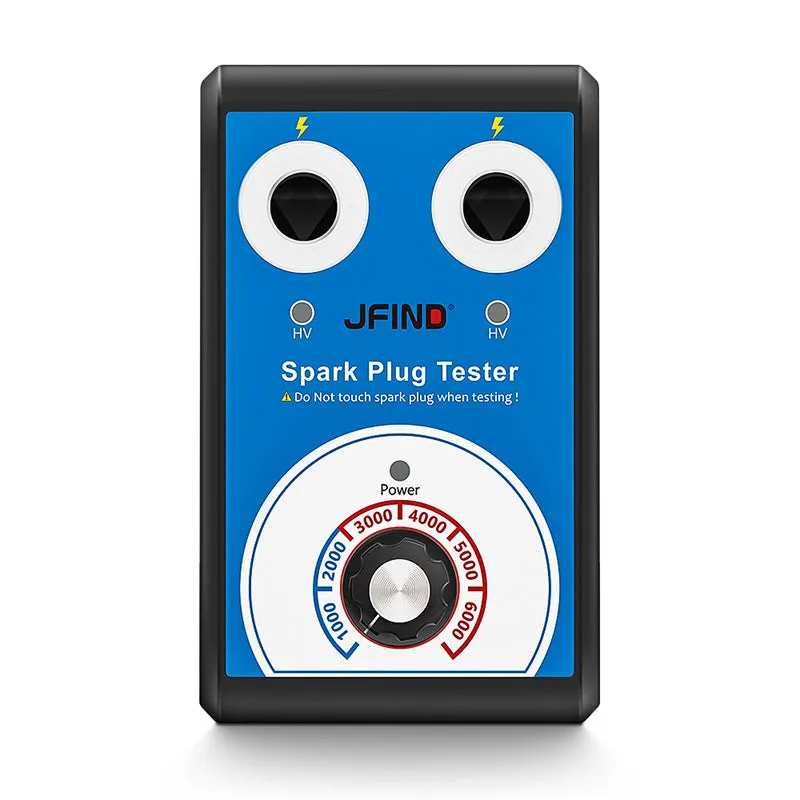
Car fault detector automotive spark plug tester kit for double hole plug ignition system diagnosis, supports European B0198-1 and American B0198-2 standards, operating temperature range -20°C to 60°C, dimensions 150mm x 100mm x 80mm.


Car fault detector automotive spark plug tester kit for double hole plug ignition system diagnosis, supports European B0198-1 and American B0198-2 standards, operating temperature range -20°C to 60°C, dimensions 150mm x 100mm x 80mm.
Automotive Spark Plug Tester for Double Hole Ignition Systems: B0198-1 European and B0198-2 American Standards
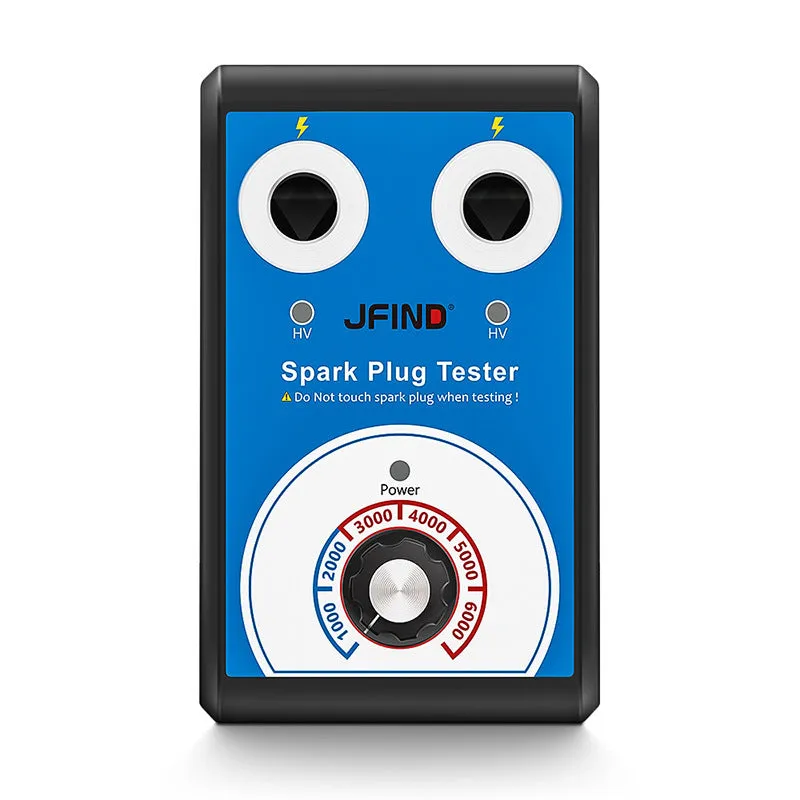
This automotive fault detector is a dedicated diagnostic tool designed for a specific task: testing the function of double-hole spark plugs within a vehicle's ignition system. It provides a straightforward, visual method to check for spark presence, aiding in the identification of basic ignition faults such as misfires. The tool's value lies in its direct application and standard compatibility, covering both the European B0198-1 and American B0198-2 specifications. Its compact build and defined operating temperature range make it a practical addition for garage diagnostics, home mechanics, or professional workshops needing a secondary check tool alongside more advanced systems.
Features and Construction
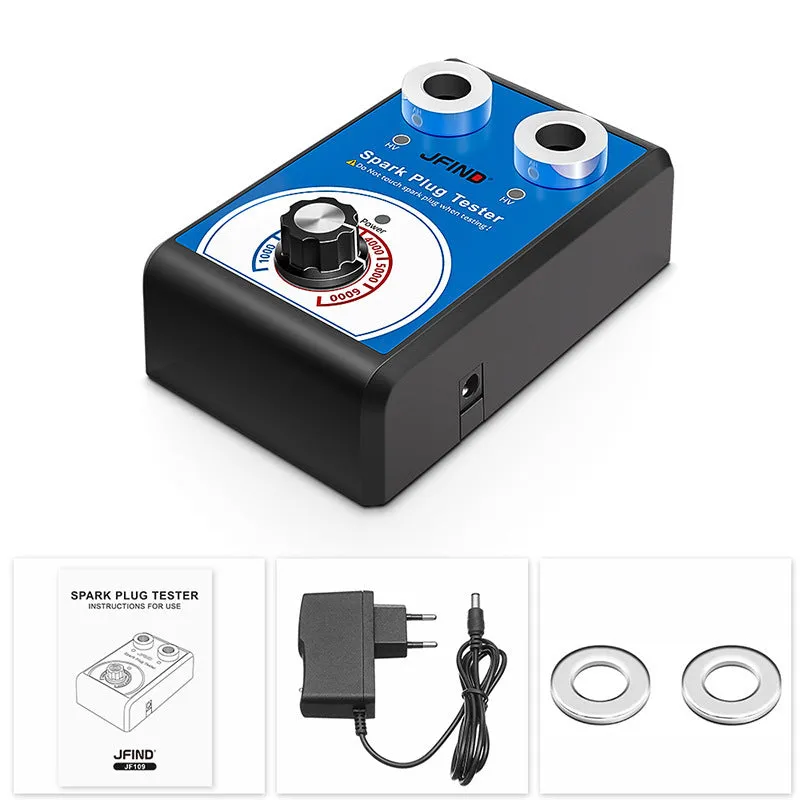
This detector is built around a core function with clear, stated parameters. Its construction and features are defined by its diagnostic purpose and operational limits, as provided in the product specifications.
Material and Build
The source text does not specify the housing or internal construction materials. The product's build is defined by its functional specifications: it is a spark plug tester kit designed for the double-hole plug format. Its operational integrity is supported by a stated power supply requirement of 100-240V and a working temperature range, implying a build suitable for garage environments.
Size and Practical Fit
The detector has compact external dimensions of 150mm in length, 100mm in width, and 80mm in height. This size makes it easy to store in a standard toolbox, on a workshop shelf, or in a vehicle's boot for roadside checks. The small footprint does not compromise its stated function, as it is designed purely as a testing unit rather than a multi-function diagnostic computer.
Uses and Placement
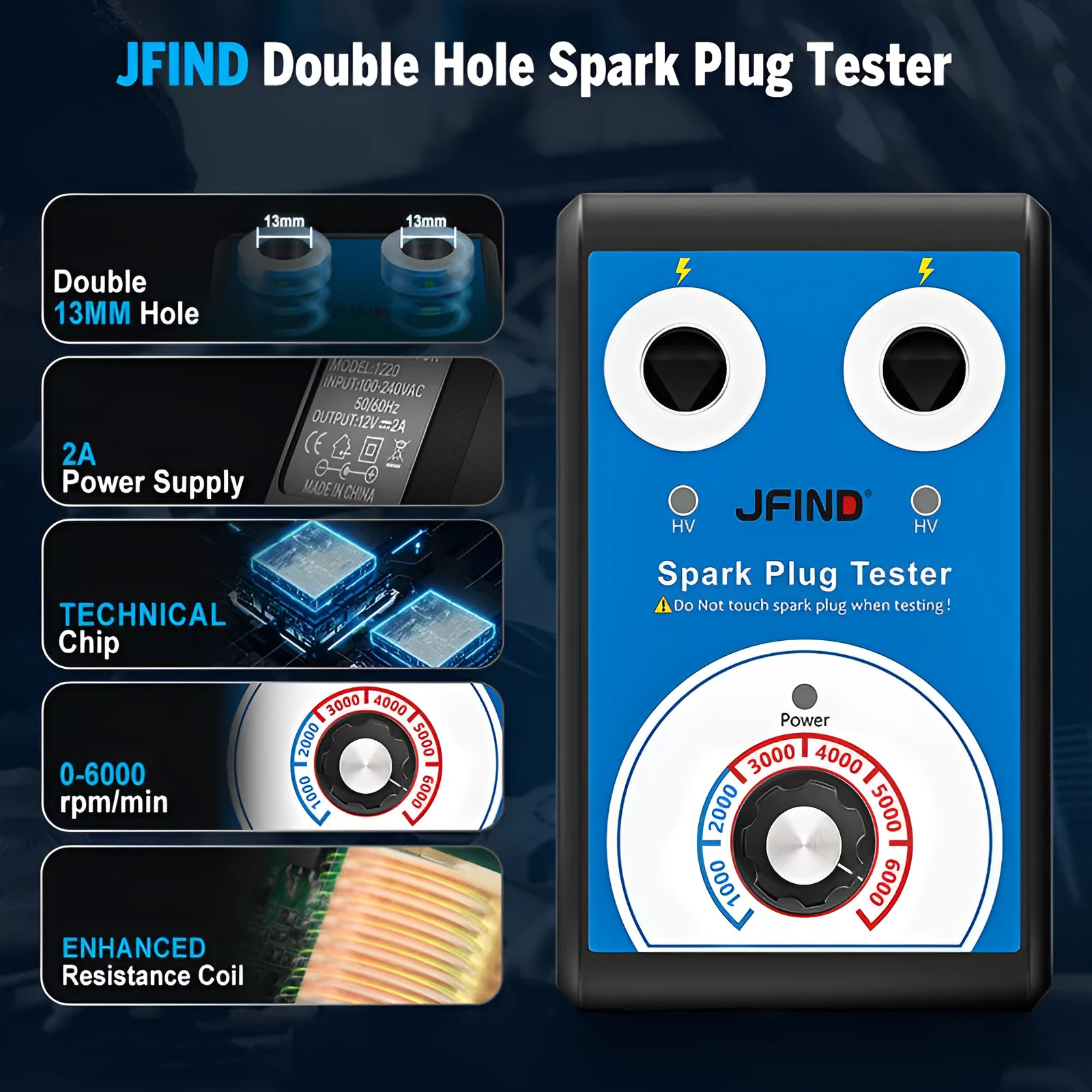
The tool's use case is precisely targeted, making it suitable for specific diagnostic scenarios rather than general vehicle analysis. Its placement in a workshop or toolkit is determined by this specialised role.
Event or Professional Use
In a professional workshop setting, this tester can serve as a quick preliminary check for ignition issues on vehicles known to use double-hole spark plugs, before connecting more expensive, comprehensive diagnostic machines. For motorsport events or track days where ignition faults can occur, its compact size and simple operation allow for a rapid spark check in the pit lane, provided a suitable 100-240V power source is available.
Everyday Home Use
For the home mechanic or car enthusiast, this tool offers a way to verify spark plug function during routine maintenance or when troubleshooting a rough idle or starting problem on a compatible vehicle. Its operation within a -20°C to 60°C range means it can be used in a typical unheated garage or outdoors in moderate conditions. The clear standard compatibility (American or European) helps users select the correct version for their vehicle.
Benefits and Buying Value
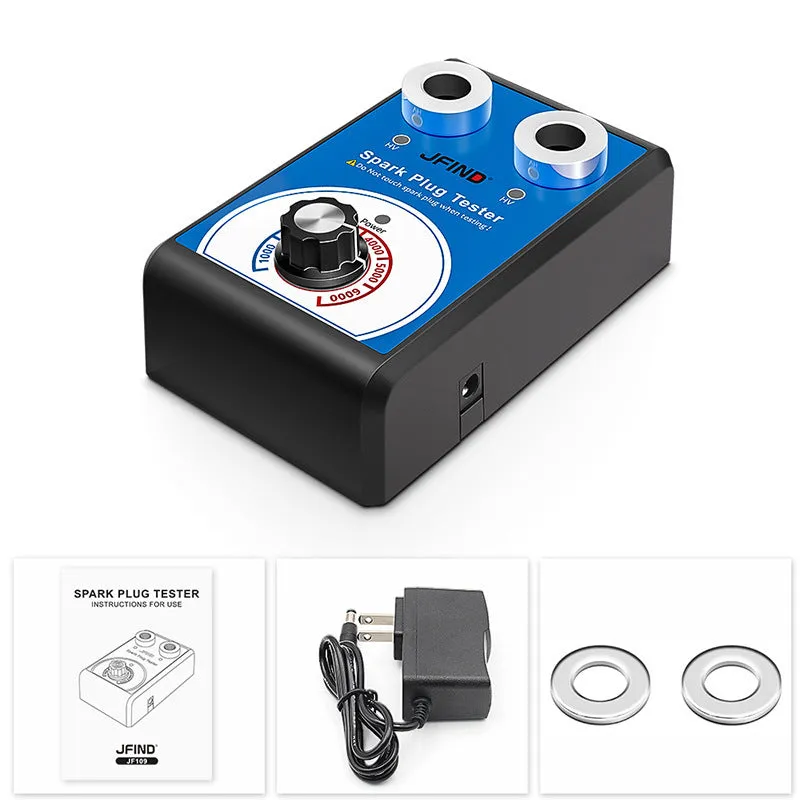
The value of this product is tied to its specificity and the practical benefits of having a dedicated tool for a clear task, without venturing into unsupported claims about performance or durability.
Reuse and Low Maintenance
As a solid-state testing device with no stated consumable parts, the tester is designed for repeated use over time on compatible vehicles. Its low-maintenance profile comes from having no described moving parts or elements requiring regular replacement. The key to its longevity is adherence to the specified operating conditions, particularly the voltage input and temperature range.
Why Choose This Product
This product is chosen for its focused application on double-hole spark plug systems and its adherence to two major automotive standards. It provides a concrete, source-supported alternative to more generic testing methods that may not be designed for this specific plug format. The value lies in obtaining a tool that matches the exact specification (B0198-1 or B0198-2) needed, with known size and operational limits, rather than a product with vague or invented capabilities.