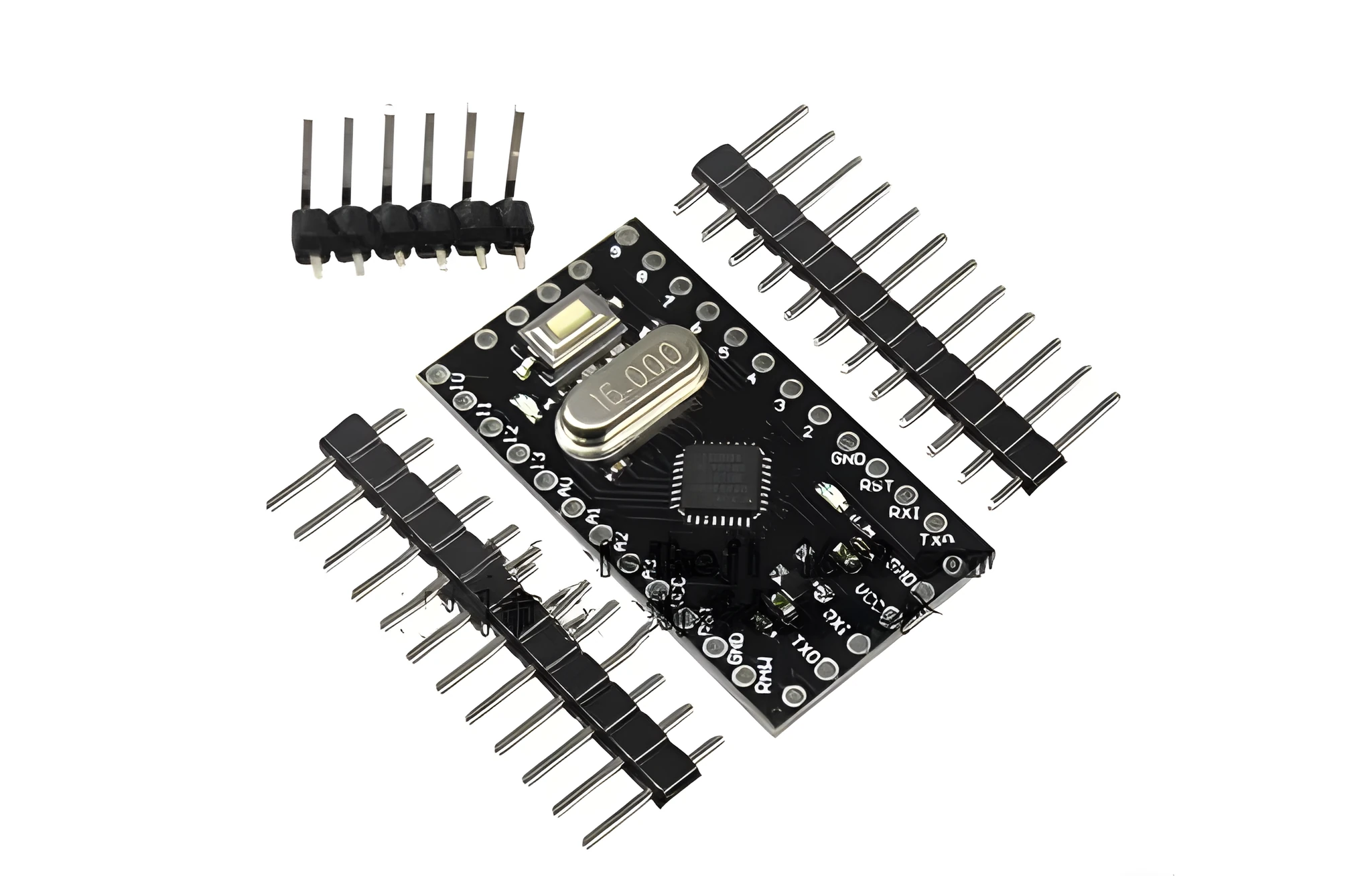
Electronic building block template microcontroller circuit board with 14 digital input/output pins, 8 analog inputs, 16MHz resonator, Atmega328P-AU processor, 33.3x18.0mm size for DIY electronics, robotics and programmable projects.


Electronic building block template microcontroller circuit board with 14 digital input/output pins, 8 analog inputs, 16MHz resonator, Atmega328P-AU processor, 33.3x18.0mm size for DIY electronics, robotics and programmable projects.
Mini Pro Electronic Building Block Template: A Compact Microcontroller Board for DIY Projects
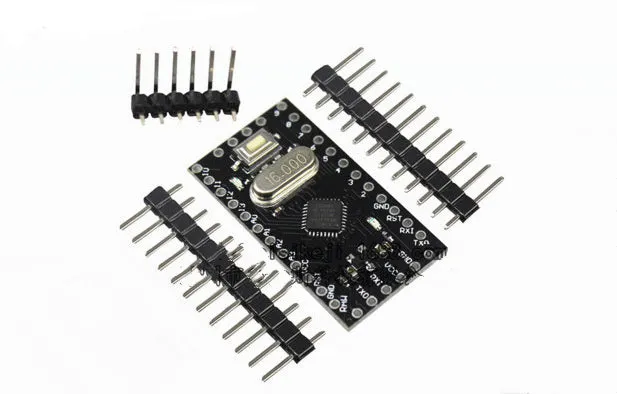
This professional version Mini Pro serves as a fundamental electronic building block, providing a fully-featured microcontroller circuit board in a compact 33.3mm by 18.0mm footprint. Designed for hobbyists, students, and developers, it acts as the central processing unit for a wide range of electronics projects, from simple automated systems to more complex robotic controls. Based on the popular Atmel Atmega328P-AU microcontroller running at 16MHz, it offers a balance of processing capability and accessibility. The board’s design includes a comprehensive set of I/O pins, power flexibility, and practical physical features like mounting holes, making it a practical choice for moving from prototype to finished project. Its specification-focused design prioritises functionality and integration over bundled software or branded ecosystems.
Features and Construction

The Mini Pro board is constructed as a dedicated microcontroller platform, with all components soldered onto a standard circuit board. Its design is centred on providing maximum connectivity and utility within its small size, featuring pin headers for all input and output ports to facilitate reliable connections with jumper wires or headers. The build includes a 16MHz resonator for accurate timing, a manual reset button for quick reboots, and plated-through mounting holes that allow the board to be screwed securely into an enclosure. This construction approach makes it a durable component ready for integration into larger electronic assemblies.
Material and Build
The board uses a standard FR4 fibreglass substrate with copper traces to connect the surface-mounted components. Key electronic parts include the Atmel Atmega328P-AU microcontroller chip, which handles all processing tasks, alongside supporting passive components like resistors and capacitors. The pin headers are typically made from tin-plated brass or phosphor bronze for good electrical conductivity and mechanical strength. The overall build is functional and industrial, prioritising reliable electrical connections and physical robustness for use in workshop or educational environments, rather than aesthetic finishes.
Size and Practical Fit
With dimensions of 33.3mm in width and 18.0mm in height, this microcontroller board is notably compact. This small size is a significant practical advantage, allowing it to fit into tight spaces within robot chassis, custom enclosures, or portable devices where internal room is limited. The inclusion of mounting hole pin headers means the board can be firmly attached, preventing movement and protecting solder joints from strain during use or transport. This combination of miniaturisation and secure mounting makes it suitable for final projects, not just temporary breadboard prototypes.
Uses and Placement

This board is designed as a versatile core for electronic projects, acting as the ‘brain’ that reads inputs and controls outputs. Its specification supports applications ranging from educational demonstrations to functional end-products. The blend of digital and analog I/O, PWM capability, and flexible power options means it can adapt to numerous roles within the fields of electronics, programming, and mechatronics.
Event or Professional Use
In professional prototyping, maker workshops, or educational events like hackathons, this board provides a reliable, standardised hardware platform. Teams can use it to quickly build proof-of-concept devices for sensors, actuators, or interactive displays, leveraging the known Atmega328P architecture. Its support for serial download and external power supplies up to 12V allows for integration with larger power systems or peripheral boards. For structured learning environments, its clear pinout and familiar microcontroller make it an effective tool for teaching digital logic, analog sensing, and embedded C or Arduino programming fundamentals.
Everyday Home Use
For home DIY enthusiasts, the board enables the creation of custom automation and monitoring projects. It could form the basis of a programmable plant watering system using its analog pins to read soil moisture, a custom LED lighting controller using its PWM outputs, or a simple security alarm using digital inputs from door sensors. The ability to run from a 9V battery makes it suitable for portable or temporary installations without needing a mains adapter. Its size allows it to be discreetly housed inside existing furniture or project boxes.
Benefits and Buying Value
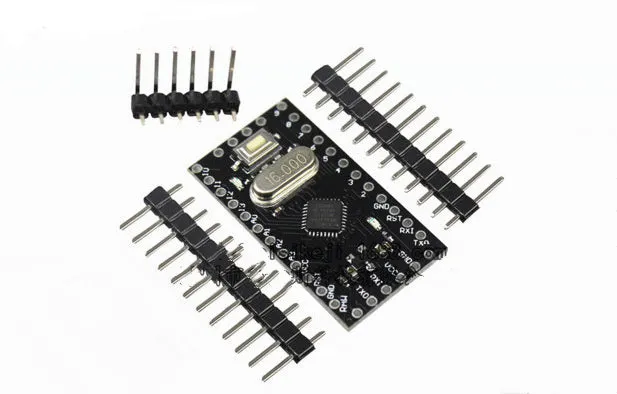
The value of this electronic building block lies in its role as a dedicated, specification-complete microcontroller unit. It offers a focused alternative to more general-purpose development boards by providing a core set of features without unnecessary extras, which can be advantageous for cost-effective or space-constrained projects.
Reuse and Low Maintenance
As a hardware template, the board is designed for reuse across multiple projects. Once a project is complete, the board can be de-soldered or unplugged and reprogrammed for a completely different application. Its solid-state construction with no moving parts means it requires virtually no maintenance beyond ensuring clean connections. The use of a well-documented, long-lasting microcontroller chip means firmware and community support will remain available, protecting your investment in learning and code.
Why Choose This Product
You would choose this Mini Pro board if your primary need is a compact, capable, and straightforward microcontroller core with a precise technical specification. Its defined set of 14 digital I/O pins, 8 analog inputs, 6 PWM outputs, and specific 33.3x18.0mm size provide clear parameters for your design. The support for a wide 3.3V-12V power range and battery operation adds to its flexibility. It is a practical choice when you need the control power of an Atmega328P but in a minimal footprint that prioritises integration into a final build over on-board USB programming or other conveniences found on starter kits.