Ceramic Brightness Stone Portable Glossiness Tester with Single Angle 60° CS300, Microporous CS300S, and Tri-Angle CS380 Models for Professional Gloss Measurement on Painted, Polished, and Ceramic Surfaces


Ceramic Brightness Stone Portable Glossiness Tester with Single Angle 60° CS300, Microporous CS300S, and Tri-Angle CS380 Models for Professional Gloss Measurement on Painted, Polished, and Ceramic Surfaces
Ceramic Brightness Stone Portable Glossiness Tester: CS300, CS300S, and CS380 Models for Surface Gloss Measurement
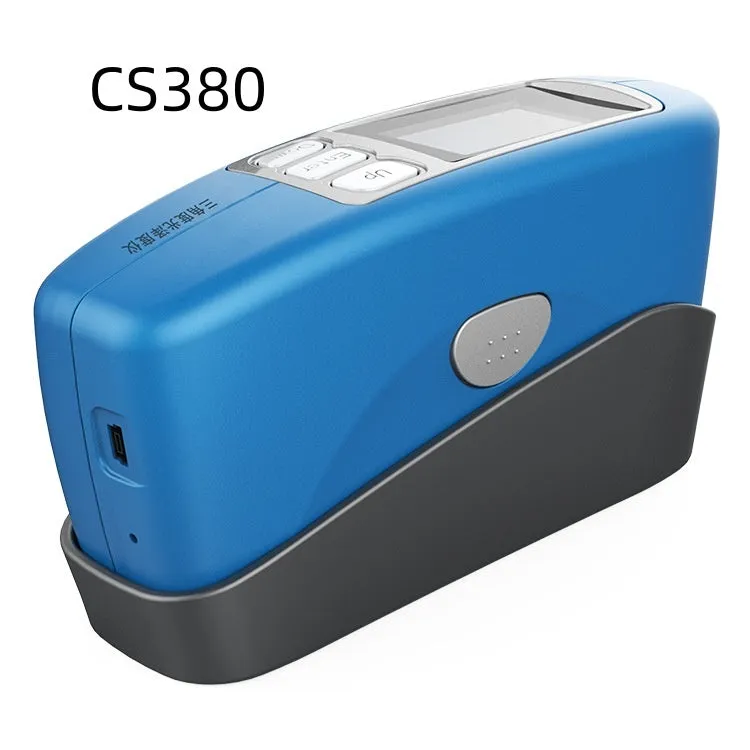
This portable glossiness tester provides a practical solution for professionals requiring objective measurements of surface gloss. In finishing industries, paint shops, ceramic manufacturing, and quality control labs, consistent gloss is a critical visual and functional property. The device offers a portable alternative to bulky bench-top gloss meters, allowing for direct verification on the production floor, in warehouses, or at client sites. With a selection of three distinct models – CS300, CS300S, and CS380 – the product covers a range of measurement needs from standard high-gloss checks to more detailed analysis of mid-gloss and matte finishes, supporting adherence to industry specifications and internal quality standards without relying on subjective visual assessment.
Features and Construction

The tester is defined by its model-specific measurement geometry, which is the core technical differentiator between units. The construction centres on a handheld portable device containing an optical system, a light source, a photodetector, and an electronics module to calculate and display gloss units (GU). While the specific materials for the housing (likely a durable plastic or composite) and the precision optical components are not detailed in the source, the functional design prioritises portability and direct application to test surfaces.
Material and Build
As a professional measurement instrument, the build is expected to facilitate accurate, repeatable readings. The device houses a stable light source that illuminates the test surface at a specified angle. The reflected light is captured by a calibrated sensor. The key build features are the measurement aperture and the optical path, which are engineered to the specifications of each model. The CS300S, for instance, incorporates a 'microporous' 23 mm aperture, which may be designed for specific surface textures or to limit the measurement area. The portable nature suggests a robust casing to protect these internal components during transport and use in industrial environments.
Size and Practical Fit
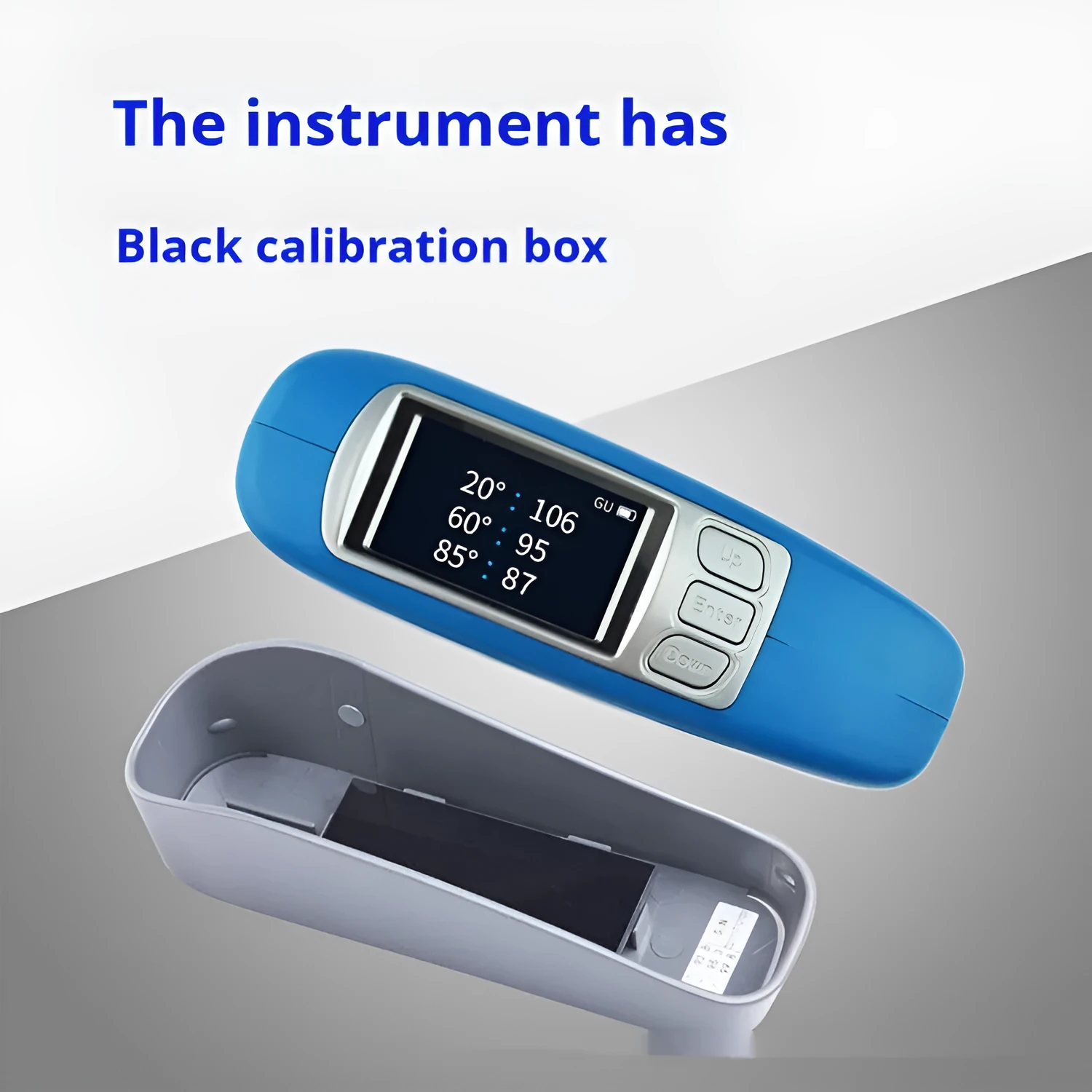
The product's primary 'size' specification is its measurement geometry, not its physical dimensions. The CS300 and CS300S models utilise a single 60° angle, the most common geometry for general-purpose gloss measurement, suitable for a wide range of coatings and finishes. The CS380 model provides a tri-angle system, using 20°, 60°, and 85° angles. The 20° angle is optimal for measuring high-gloss surfaces (like automotive clear coats or polished metals), the 60° angle is the general-purpose standard, and the 85° angle is best suited for low-gloss, matte finishes. This multi-angle approach on the CS380 allows for a more comprehensive gloss profile of a material, which is valuable for advanced quality analysis and matching.
Uses and Placement

The glossiness tester is designed for application-driven use across several professional and industrial contexts. Its value lies in replacing guesswork with quantifiable data, ensuring that a finish meets the required visual standard before a product leaves the factory or a repair is signed off. The portability factor significantly expands where these measurements can be taken, moving beyond the lab and onto the shop floor.
Event or Professional Use
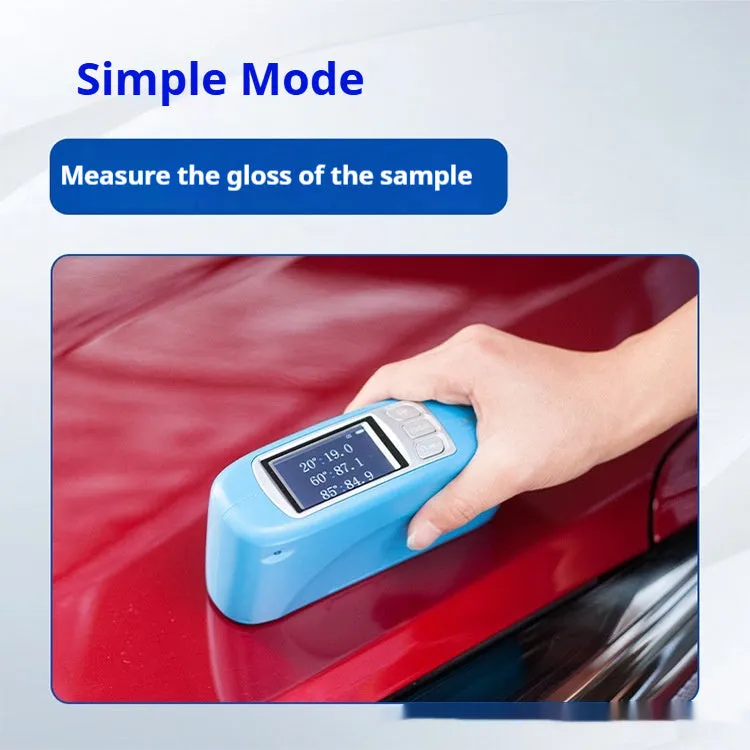
In professional settings, technicians and inspectors use these testers to verify paintwork on vehicles, appliances, and furniture. Ceramic tile manufacturers employ them to ensure batch-to-batch consistency in glaze gloss. Printing and packaging professionals measure the gloss of laminated or varnished surfaces. The tri-angle CS380 model is particularly useful in industries like automotive or high-end electronics, where precise gloss matching across different components (e.g., dashboard plastics versus metallic trim) is critical. The single-angle CS300 and CS300S models serve well in general manufacturing, wood finishing, and architectural coatings where a standard 60° measurement is specified.
Everyday Home Use
While primarily a professional tool, its application extends to serious DIY enthusiasts, restorers, or small workshops where finish quality is paramount. For example, someone restoring classic car bodywork could use it to match the gloss of new paint to original panels. A cabinetmaker could use it to ensure a consistent lacquer finish across a large piece of furniture. The portable format makes it manageable in a home workshop or garage, providing a level of objective quality assessment typically only available in commercial settings.
Benefits and Buying Value

The core benefit of this tester is delivering objective, numerical data on surface gloss, which directly supports quality assurance, reduces disputes over finish appearance, and helps maintain brand standards. The choice between models allows buyers to select the tool that matches their specific measurement requirements and industry protocols, avoiding over-specification or underperformance.
Reuse and Low Maintenance
As a durable electronic instrument, the tester is designed for repeated use over time. Its value is realised through hundreds or thousands of measurements, providing a return on investment by preventing quality failures and rework. Low maintenance generally involves keeping the calibration check tile (if supplied) clean and protecting the device from physical impacts. The portable design means it can be easily carried to multiple job sites or stored securely, contributing to its long-term utility.
Why Choose This Product
The decision to choose this portable glossiness tester hinges on the need for reliable, on-the-spot gloss data. The key differentiator is the model range: the CS300 for standard needs, the CS300S with its microporous aperture for potential specialised applications, and the CS380 for the most detailed, multi-angle analysis. For a buyer, this means selecting a tool that fits their exact measurement scope—whether it's a simple pass/fail check on a production line (CS300) or a detailed quality audit requiring a full gloss profile (CS380). The 'complete set' packaging ensures the user receives a ready-to-use instrument, minimising setup time.