
Ethernet extension cable with RJ45 connectors available in Cat5 and Cat6 UTP/STP cabling styles offering nine precise lengths from 1.5 metres to 25 metres for connecting network devices in homes or offices

Ethernet extension cable with RJ45 connectors available in Cat5 and Cat6 UTP/STP cabling styles offering nine precise lengths from 1.5 metres to 25 metres for connecting network devices in homes or offices
RJ45 Ethernet Extension Cable in Cat5 or Cat6 UTP/STP Styles Across Nine Different Lengths
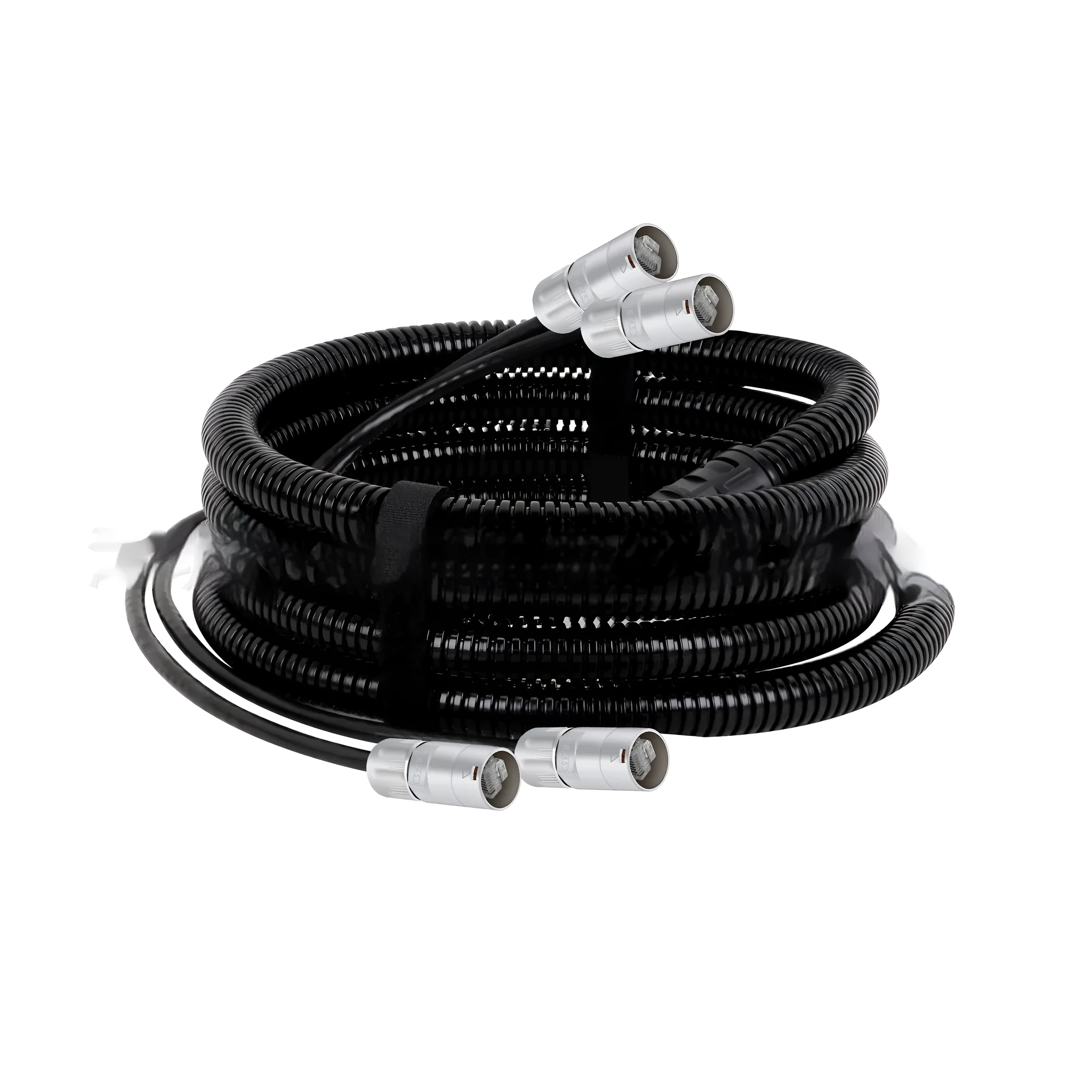
When your network device sits just beyond the reach of your existing ethernet cable, this extension cable provides the straightforward solution. Designed to bridge that gap, it features a male RJ-45 connector at both ends, allowing you to seamlessly connect it between your wall socket, router, or switch and your computer, printer, gaming console, or smart TV. The product is specified in two key networking performance categories: Cat5 and Cat6. Each category is further available in either UTP (Unshielded Twisted Pair) or STP (Shielded Twisted Pair) construction, offering choices based on your environment's potential for electromagnetic interference. Most importantly, it is manufactured in nine specific, discrete lengths, from a compact 1.5 metres up to a substantial 25 metres, letting you select the exact cable length needed for your setup without excess slack or strain.
Features and Construction
The cable's core functionality is built around its standardised connectors and the available choice in cable specification and length. This section details the tangible construction elements and the options presented.
Material and Build
The cable is constructed using PVC (Polyvinyl Chloride) for its outer sheathing and internal insulation. This material provides a balance of flexibility for routing and durability for general indoor use. The choice between UTP and STP construction within each performance category (Cat5 or Cat6) relates to internal shielding. Unshielded Twisted Pair (UTP) is a common, cost-effective choice for most home and office environments with low interference. Shielded Twisted Pair (STP) includes additional foil or braiding to protect the internal twisted pairs from external electromagnetic interference, which can be relevant in industrial settings or rooms with many electrical devices.
Size and Practical Fit
The product is not a one-size-fits-all solution but is offered in nine precise length options: 1.5 m, 2 m, 3 m, 5 m, 8 m, 10 m, 15 m, 20 m, and 25 m. This range allows for highly specific application matching. The shorter lengths (1.5m, 2m) are suited for connecting devices on or directly next to a desk or entertainment unit. The mid-range options (5m, 8m, 10m) can cover distances across a room or between floors in a domestic setting. The longer cables (15m, 20m, 25m) are designed for more extensive runs, such as in office layouts, home studios, or connecting outbuildings where network points are farther apart.
Uses and Placement
This extension cable serves to solve a common connectivity issue where a fixed network point is not conveniently located. Its application spans both casual home use and more structured professional environments.
Event or Professional Use
In professional or temporary event settings like conferences, trade shows, or office reconfigurations, these cables allow for quick network deployment. The availability of longer 20m and 25m versions facilitates connecting workstations in large halls or temporary offices. Choosing a Cat6 STP version could be prudent in environments with high-density electrical equipment or lighting rigs to ensure signal clarity. The standard RJ45 connectors ensure compatibility with nearly all professional networking gear, from switches and patch panels to presentation laptops and registration terminals.
Everyday Home Use
At home, the cable is most often used to connect devices in entertainment centres, home offices, or gaming setups. For example, a 3m or 5m Cat5 UTP cable could connect a router in a hallway cupboard to a desktop PC in a nearby bedroom. A shorter 1.5m cable might tidy up the connection between a wall socket and a smart TV mounted on a bracket. Gamers might use a mid-length cable to ensure a stable, wired connection from their router to their console for optimal online play, avoiding the potential latency of Wi-Fi.
Benefits and Buying Value
The value of this product lies in its specificity and the practical problem it solves without requiring a full cable replacement. It offers a targeted, often more economical approach to network extension.
Reuse and Low Maintenance
The cable requires minimal maintenance; simply plug it in and it functions. There is no software to configure or power required. Its passive design means it can be reused in different locations as needs change—a cable bought for a home office can later be used in a living room setup. The PVC construction is wipe-clean, and the connectors are robust for repeated insertion and removal. By offering exact lengths, it reduces cable clutter and potential tripping hazards compared to using a generic, overly long cable.
Why Choose This Product
This product is chosen for its clear options and defined specifications. Instead of a vague "long" cable, you select the exact performance category (Cat5 for standard 100 Mbps/1 Gbps networks, Cat6 for networks up to 10 Gbps over short distances), shielding type based on your environment, and most critically, the precise length you need. This specificity avoids paying for unnecessary cable length or performance you won't use, and ensures a neat, fit-for-purpose installation. It is a functional component that addresses a common gap—literally and figuratively—in home and office networking.